


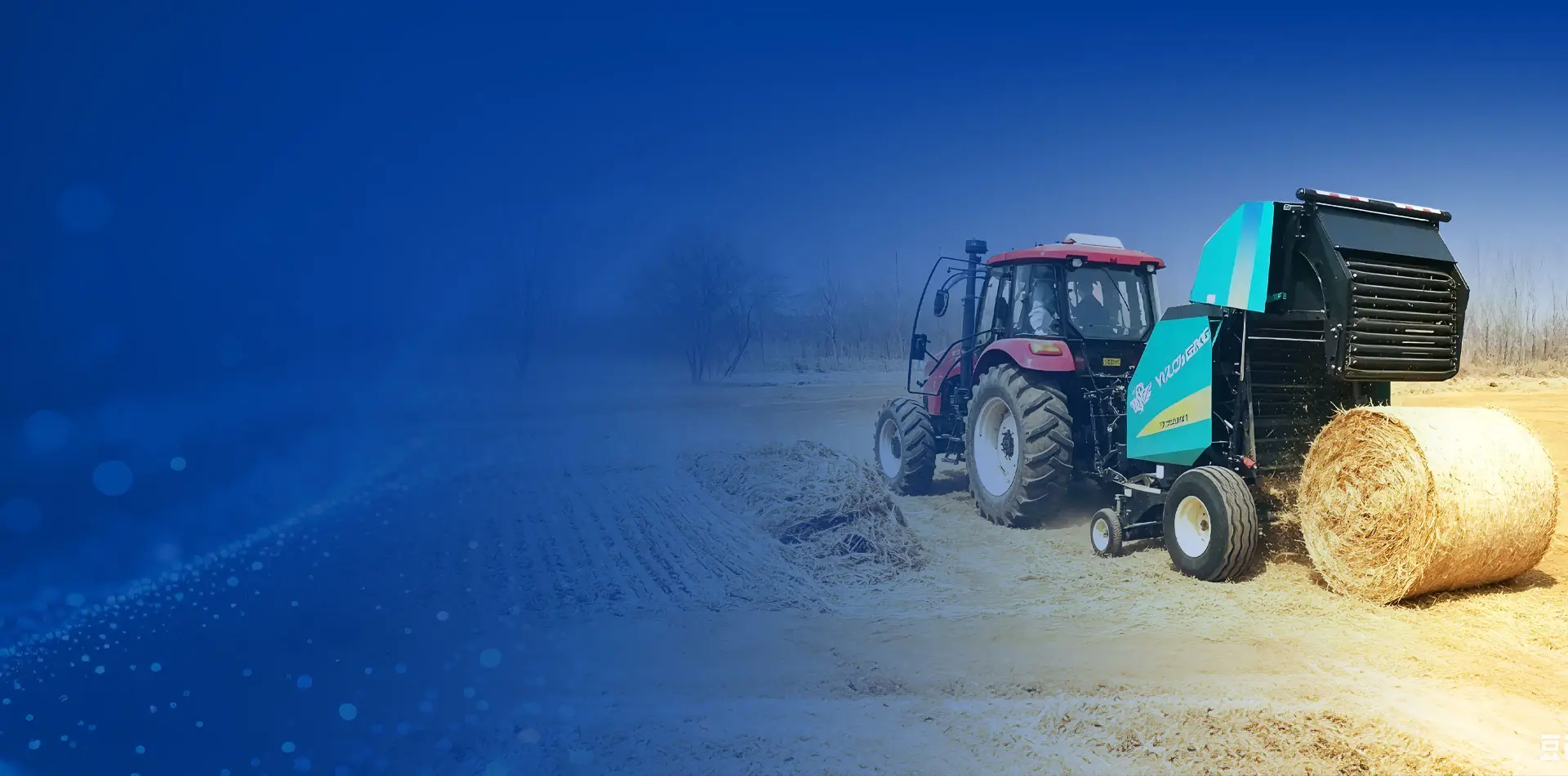
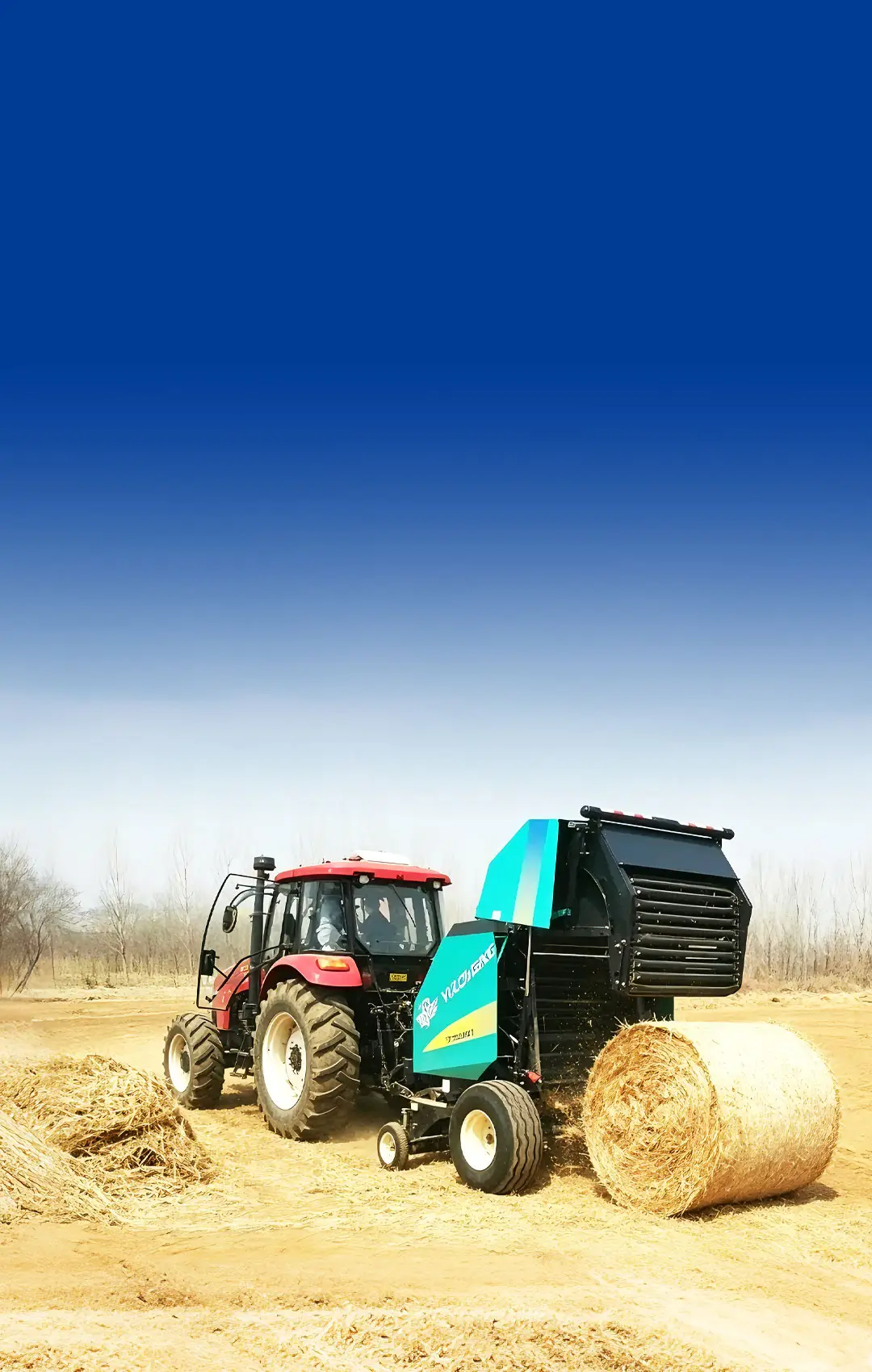




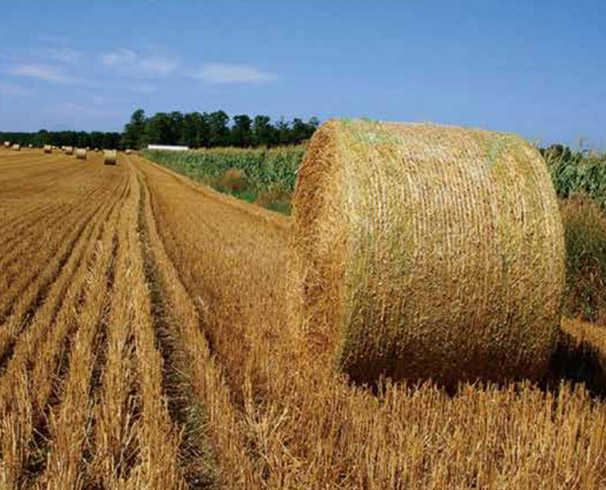
PBAT biodegradable bale net,unlike traditional HDPE bale nets, this product is completely biodegradable after use, achieving true end-of-life bio-degradation and eliminating long-term micro-plastic pollution in agricultural soils. Manufactured through a stepwise esterification process using BDO, AA, and PTA, followed by two-stage poly condensation under vacuum, this PBAT biodegradable bale net delivers mechanical properties superior to those of conventional HDPE bale nets.
| Dimension | PBAT Fully Biodegradable Bale Net | Traditional HDPE Bale Net |
| Degradation | Complete bio-degradation; decomposes into water and CO₂ within 6–12 months in soil/compost environment; zero residue | Non-biodegradable; takes hundreds of years to decompose in natural environment; generates permanent micro-plastic pollution |
| Soil Impact | Degradation products are non-toxic and harmless; do not damage soil structure; promote organic matter cycling and soil fertility | Residual micro-plastic particles accumulate over time, clogging soil pores, inhibiting microbial activity, and reducing arable land quality |
| Operational Efficiency | No manual net removal required; straw can be directly returned to the field; saves labor and time; compatible with no-till farming; high mechanization efficiency | Requires manual net removal and sorting; adds labor costs and operational steps; delays field return operations |
| Total Cost of Ownership | Eliminates labor costs for net removal and disposal; superior overall cost-effectiveness | Lower unit price, but high hidden costs including manual removal, recycling, and environmental compliance |
| Recycling & Disposal | No recycling required; degrades naturally with straw returned to the field or composted; zero disposal cost | Requires dedicated recycling systems; discarded nets must be treated as plastic waste, incurring high disposal costs |
| Livestock Safety | If accidentally ingested, degrades and passes through the digestive system; non-toxic and harmless; no health risks to livestock | If ingested, cannot be digested; may cause intestinal blockage or even death in livestock |

© 2024 DONGHUA TIANYE NEW MATERIAL CO., LTD.